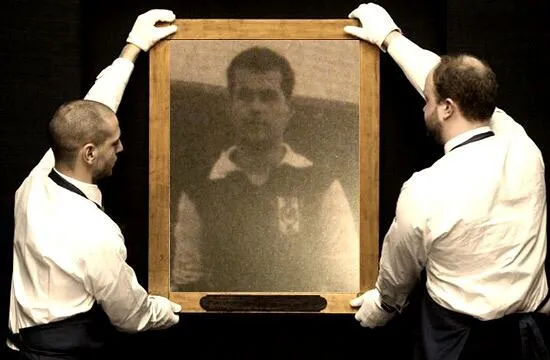
Three Screens and a Prayer: The Setup That Gets Americans Through 90 Minutes of Grainy Flamurtari Football
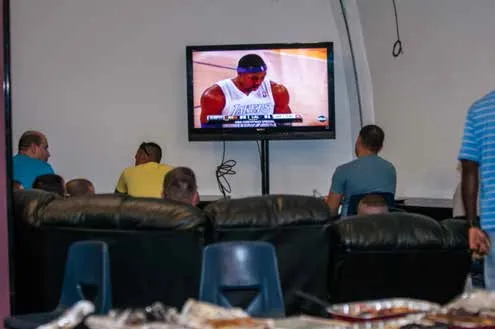
Photo: Jonathan Monfiletto, Public domain, via Wikimedia Commons
Picture the scene: it's 1:45 PM on a Sunday in Chicago, and a marketing coordinator named Mike has his laptop propped on the kitchen counter, phone in his left hand, iPad leaning against the toaster. On the laptop, a stream so pixelated the ball is technically a rumor. On the phone, a group chat named "Rosete Mafia — USA Chapter" is already at 47 unread messages. On the iPad, a live stats page tracking possession, shots, and a passing accuracy chart that updates roughly every time he exhales.
Mike hasn't watched a Flamurtari match on a single screen in two years. Neither has most of us.
The Stream Is the Least of It
Here's the uncomfortable truth about following Flamurtari from the States: the video feed is usually the worst part of the experience. Depending on the week, you're choosing between a 240p masterpiece with the color balance of a nuclear sunset, a radio-style audio stream that cuts out every time Vlorë gets windy, or — on truly cursed days — nothing at all.
And yet the fandom thrives. Because the feed was never really the point.
"The stream tells me a goal happened," says Dana, a Portland-based supporter who runs point on the Discord during matches. "The chat tells me how we should feel about it. Those are two very different products, and honestly, the second one is better."
Anatomy of a Matchday Command Center
Ask around and you'll find remarkable consistency in how the American faithful structure their setups. Think of it like a spread offense — everyone runs their own variation, but the core positions are the same.
Screen one: the feed. Whatever pixel soup the internet is serving this week. This is your primary game action, cherished precisely because it's terrible.
Screen two: the chatter. Group chats, the Discord voice channel, the Telegram channel where a guy named Endri posts updates faster than any broadcaster alive. When the stream freezes at the worst possible moment — and it will — this is your lifeline. "MISS. OPEN NET. HOW" is a complete and emotionally sufficient match report.
Screen three: the data. Live stat trackers, the league table refreshing in real time, a Twitter/X list of Albanian football journalists who tweet lineups twenty minutes before kickoff. This is the screen for the fan who needs to know the xG before they're allowed to be upset.
There's also the unofficial fourth screen: the WhatsApp thread with the cousin in Vlorë, who responds to every goal with a voice note that is 90 percent crowd noise and 10 percent words.
Why the Noise Matters
Sports psychologists will tell you that watching alone with no social layer is a fundamentally diminished experience. Diaspora fans figured that out through pure necessity. When your club plays 4,000 miles away in a league your cable package has never heard of, the community layer isn't a bonus feature. It's the whole product.
Think about how Americans already watch sports. The Super Bowl is half commercials and half group text. NBA Twitter turns a random Tuesday in January into a national event. Second-screen behavior isn't a quirk of the immigrant fan experience — it's the direction all sports viewing is heading. Flamurtari fans just got there first, out of desperation.
"I've watched NFL games with better production value and cared about them less," says Marcus, a Charlotte fan who discovered the club through a FIFA career mode rabbit hole. "There's something about working for it — piecing the match together from six sources like you're decoding signals — that makes a 1-0 win in the league feel earned."
The Stress Multiplier
Let's not sugarcoat it: the multi-screen life is not restful. When your stream buffers during a counterattack, your group chat becomes a scene from a disaster movie. When the stats page says 71 percent possession but the chat says "we look AWFUL," you learn to trust the humans over the spreadsheet — a lesson analytics departments pay consultants to learn.
There's also the latency problem. The guy watching a satellite feed celebrates the goal a full 40 seconds before the guy on the laggy stream. In the group chat, this means the future arrives in real time, and spoiler etiquette has become a genuine cultural norm. Nobody types the scorer's name. You type "GOOOOL" and a flag emoji and let people earn the reveal.
Build Your Own Setup
New to the fold? Here's the starter kit, supporter-approved:
- One video source, however humble. Lower your resolution expectations before kickoff, not during.
- One chat you actually like. The Discord is the beating heart; lurk for a match, then start typing.
- One stats tab. Live table, live scores from around the league, because a Flamurtari result only means something in context.
- One Albanian speaker on speed dial. Or just follow the Telegram channel and accept that "🔥🔥🔥" is a universal language.
The beautiful part is that none of this requires cable money, a season ticket, or even a clear picture. It requires showing up, same as the North Stand folks do — just with more tabs open.
The match ends. The stream dies with it. But the chat keeps going for another hour, relitigating the penalty call, arguing about the lineup, planning the next watch party. That's the real full-time whistle for the diaspora. The football is the excuse. The second screen is where we actually live.