Cards, Calls, and Confirmation Bias: Reading Flamurtari's Referees Like a Box Score
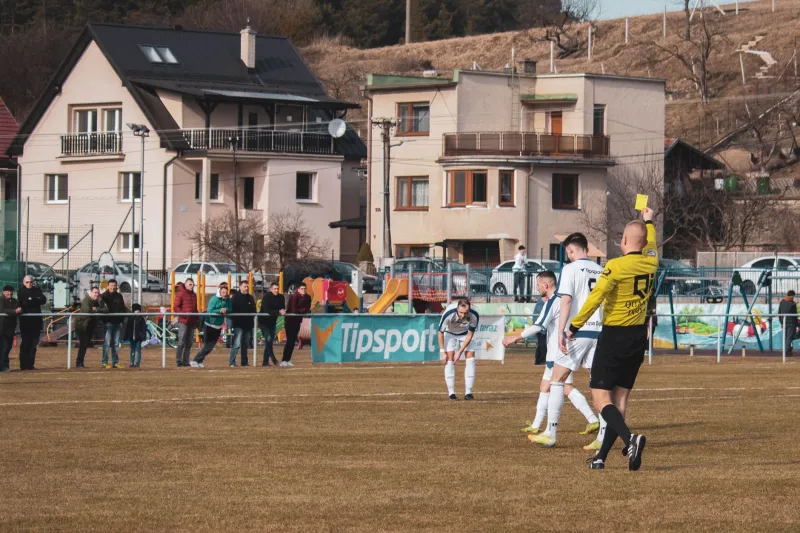
Every American sports fan has a ref take. It's basically a citizenship requirement. You've argued about pass interference, you've watched the NBA's Last Two Minute Reports, and you know exactly which MLB umpire squeezes the zone on a cold night. So when you start following Flamurtari from your couch in Cleveland or your coffee shop in Sacramento, it makes zero sense to suddenly treat referees like anonymous vending machines. The officials are part of the matchup. Scout them like one.
The Albanian Officiating Landscape, Briefly
The Kategoria Superiore is overseen by the Albanian Football Federation's referee committee, with officials rotating across assignments each matchweek. Unlike the NFL or NBA, where officials are essentially full-time employees with public stat pages, Albanian referees are largely part-time professionals with day jobs, and their performance data lives in scattered corners of the internet rather than a polished league app.
That doesn't mean the data doesn't exist. It just means you have to want it. Sites like Soccerway, Flashscore, and the international referee-tracking corners of Twitter/X log card counts and penalty awards for most top-flight matches. The Albanian Football Federation publishes appointments ahead of each round, so you can know who's reffing Flamurtari before kickoff, not after. Once you adopt that habit, every match starts with a question: what kind of game is this crew likely to let happen?
Building Your Own Ref Logbook
You don't need a spreadsheet with forty columns. You need four numbers, tracked over time:
- Cards per match. The single most predictive stat in Albanian football officiating. If an official averages five or more yellows a match, Flamurtari's physical midfield is going to spend the second half defending with one hand behind their back.
- Penalty frequency. Some refs point to the spot for contact; others need a felony. Knowing which one is in charge changes how you feel about every box scramble.
- Home/away split. Every league has it, Albania included. Track whether a ref's card count inflates for the home side over a season and you'll spot patterns faster than the broadcast commentary does.
- Big-match temperament. Some officials rise to the occasion in the derby and cup semis. Some drown. When Flamurtari face Vllaznia or Tirana, the crew matters double.
Keep a simple running note per official. After ten matches, you'll have a profile that would pass muster in an NFL front office. Is this ref a let-them-play type whose games get chippy late? A whistle-happy card merchant who kills momentum every fifteen minutes? That's your scouting report.
Why This Matters Specifically for Flamurtari
Flamurtari's identity — at least the version we've watched for decades at Stadiumi Flamurtari — is built on intensity. Pressing, duels, playing to the Vlorë crowd, wearing opponents down emotionally as much as physically. That style lives or dies on the referee's tolerance threshold.
A lenient official is a home-field multiplier. A strict one turns every tactical foul into a booking and every booking into a suspension spiral. Card accumulation rules mean your holding midfielder might miss a crucial fixture because of three soft yellows across three weeks — the Albanian equivalent of an NBA star sitting a game for a tech he didn't deserve.
When you watch with the ref's profile in mind, the match reads differently. That early yellow to your winger isn't just annoying; against a card-heavy official, it's a ticking clock. The ref subconsciously managing the scoreline becomes something you can anticipate rather than just rage about.
The Bias Audit (Yes, Yours Too)
Here's the uncomfortable part. American ref discourse is 90% confirmation bias wearing a statistics costume. If you go looking for evidence that the ref hates Flamurtari, you will find it. Every missed call in your favor becomes "we got one back," every call against becomes a scandal.
The way out is the same way sabermetrics rescued baseball fans from their own eyes: track the data before you form the opinion. Log the calls neutrally for a month. Compare Flamurtari's card differential to the league average. You might discover the truth is boring — refs aren't out to get anyone, they're just inconsistent, and inconsistency punishes the aggressive team more often than the passive one.
Or you might discover an actual pattern. Either way, you'll be arguing from evidence, which puts you ahead of 95% of sports Twitter.
Where to Actually Find the Info
A quick toolkit for the stateside fan:
- AFFA announcements: match official appointments drop before each matchweek.
- Flashscore/Soccerway: card counts, penalty awards, and discipline stats per match.
- Referee-specific social accounts: the Albanian ref-watching community is small but sharp, and their post-match breakdowns are better than most league-produced content.
- Your own eyes: honestly, the best database is the one you build yourself over a season.
The Payoff
There's a real psychological upgrade here. Raging at a referee is exhausting and passive. Analyzing one is active, and it gives you agency over your own fandom. You stop asking "why is this happening to us?" and start asking "given this crew, what should Flamurtari's game plan be?" — which, funnily enough, is the exact question the coaching staff is asking in the locker room.
So next matchday, before you pour your coffee for that 9 a.m. ET kickoff, pull up the appointment list. Check the cards-per-game number. Set your expectations accordingly. And when the fifth yellow comes out in the sixtieth minute, you won't be surprised.
You'll be smug. And honestly, isn't being the most informed fan in the group chat what this whole thing is about?